
Introduction
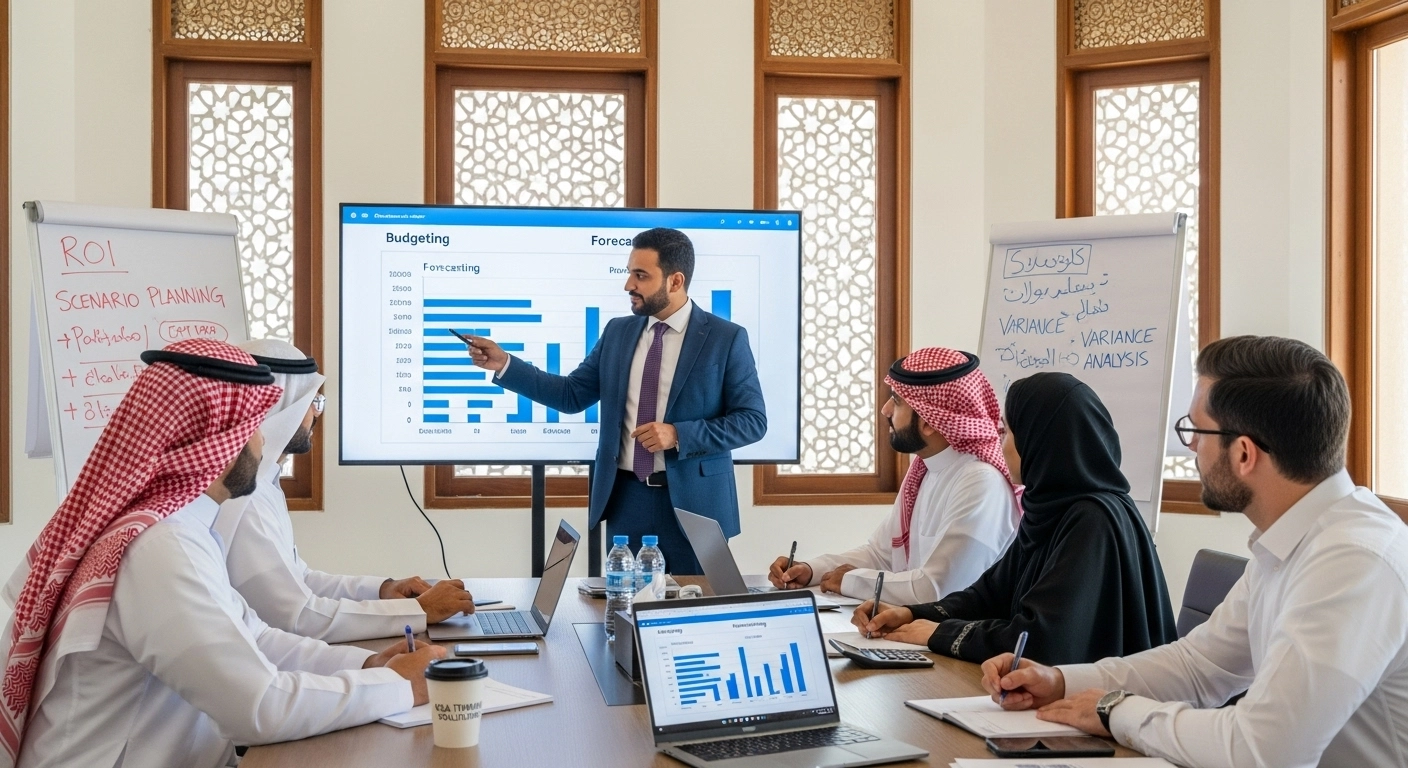
In today’s fast-paced business world, financial clarity is the backbone of success. Whether you’re managing a small startup or leading a large organization, understanding capital budgeting, mastering forecasting techniques, and applying them effectively can make all the difference. These skills help businesses allocate resources wisely, anticipate market changes, and strengthen overall financial stability.
In Saudi Arabia (KSA), where the economy is rapidly evolving under Vision 2030, companies are increasingly focusing on forecasting and the planning process to make smarter, data-driven decisions. This shift has created a rising demand for budgeting and forecasting training among finance professionals, analysts, and corporate leaders.
Through practical learning, case studies, and interactive workshops, every delegate gains hands-on experience in analyzing financial data and creating accurate business forecasts.
If you’re wondering how much such training costs in KSA and whether it’s worth the investment, this guide breaks everything down for you.
Table of Contents
1. Understanding Budgeting and Forecasting
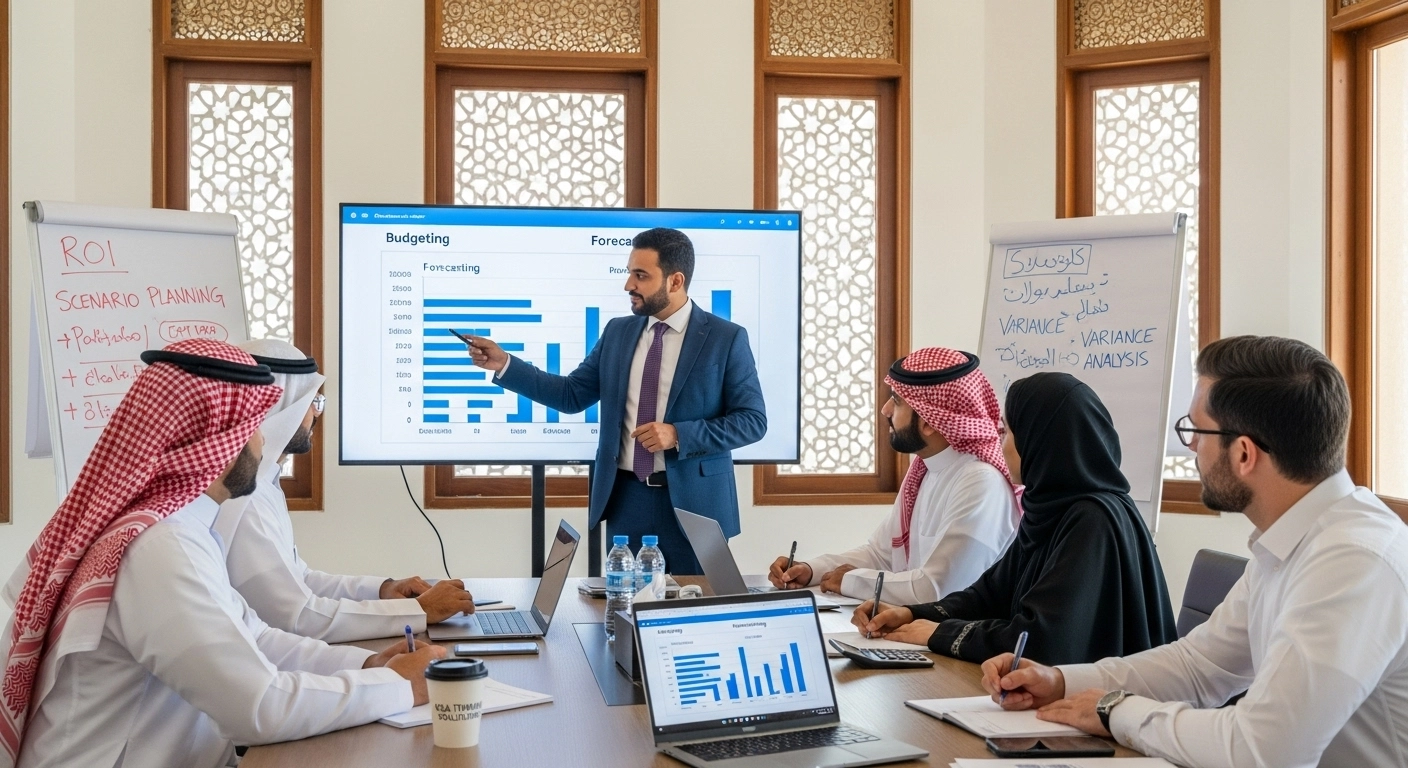
Before diving into the costs, it’s important to understand what budgeting and forecasting really mean and why many professionals now enroll in budgeting training courses to master these essential skills.
Budgeting involves creating a financial plan that outlines how much money a business expects to earn and spend over a specific period. It defines financial goals, sets clear limits, and helps improve overall budgeting processes within an organization.
Forecasting, on the other hand, uses data, trends, and analytical tools to predict future financial outcomes. It’s about anticipating what’s next — whether it’s revenue growth, market shifts, or changes in operational expenses.
Together, these two disciplines form the foundation of smart financial management. That’s why many companies encourage employees to attend a planning training course or a budgeting training course in Saudi Arabia — to gain hands-on experience in developing accurate budgets and forecasts that support long-term business success.
2. Why Invest in Budgeting and Forecasting Training?
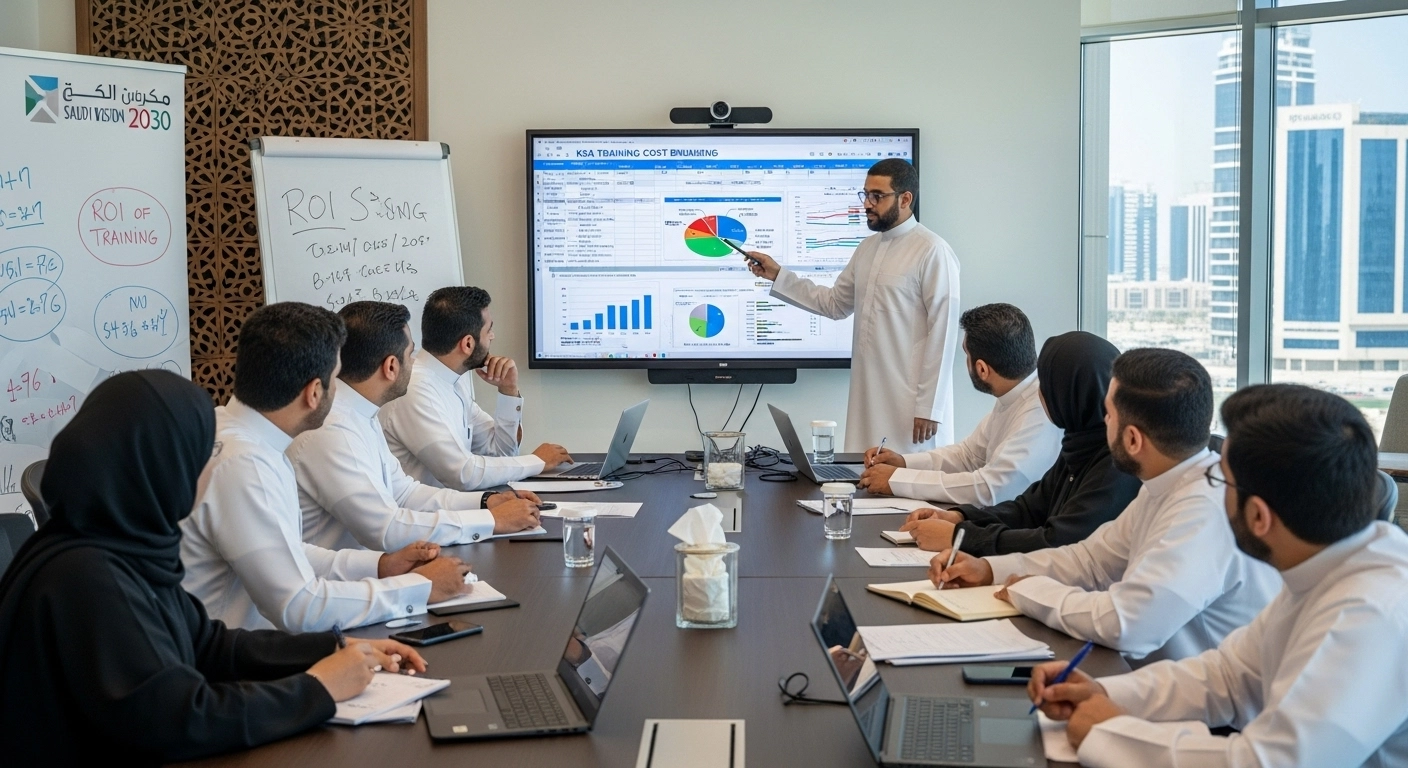
Many professionals in Saudi Arabia are now investing in budgeting and forecasting courses to strengthen their analytical and strategic skills. But what makes this training so valuable?
For Individuals:
- Enhances your financial planning and analysis skills
- Boosts your career opportunities in finance, accounting, or management
- Helps you make better business decisions with data-driven insights
For Companies:
- Enables better financial control and cost management
- Improves decision-making accuracy
- Ensures alignment between strategy and financial goals
In short, professional training helps transform theoretical financial concepts into actionable business intelligence.
3. Average Budgeting and Forecasting Training Cost in KSA
The cost of budgeting and forecasting training in Saudi Arabia varies depending on factors like duration, provider, and course format.
Here’s a general idea of what to expect:
| Training Type | Duration | Estimated Cost (SAR) |
|---|---|---|
| Short Workshops | 1–3 days | 1,000 – 2,500 SAR |
| Professional Certification Courses | 1–4 weeks | 3,000 – 7,000 SAR |
| Advanced or Corporate Programs | 1–3 months | 8,000 – 15,000 SAR |
Online courses are often more affordable, while in-person corporate sessions tend to cost more due to the inclusion of live trainers, materials, and certification.
Factors that can influence cost include:
- The trainer’s experience and reputation
- Whether the course is accredited
- Training format (group session vs. one-on-one coaching)
4. Top Training Providers in Saudi Arabia
If you’re ready to enhance your financial expertise, here are some reputable institutes offering budgeting and forecasting training in KSA:
- PwC’s Academy – Offers globally recognized financial planning and budgeting certifications.
- Leoron Professional Development Institute – Provides advanced budgeting and financial analysis courses across Riyadh, Jeddah, and Dammam.
- Meirc Training & Consulting – Known for hands-on corporate finance workshops tailored for professionals.
- Informa Connect Middle East – Offers online and in-person training focused on modern budgeting techniques.
- Tafkeer Academy – A local provider specializing in Arabic-language financial training programs.
Each of these institutes has flexible schedules and course options, making it easier for working professionals to upskill.
5. What to Expect from a Budgeting and Forecasting Course
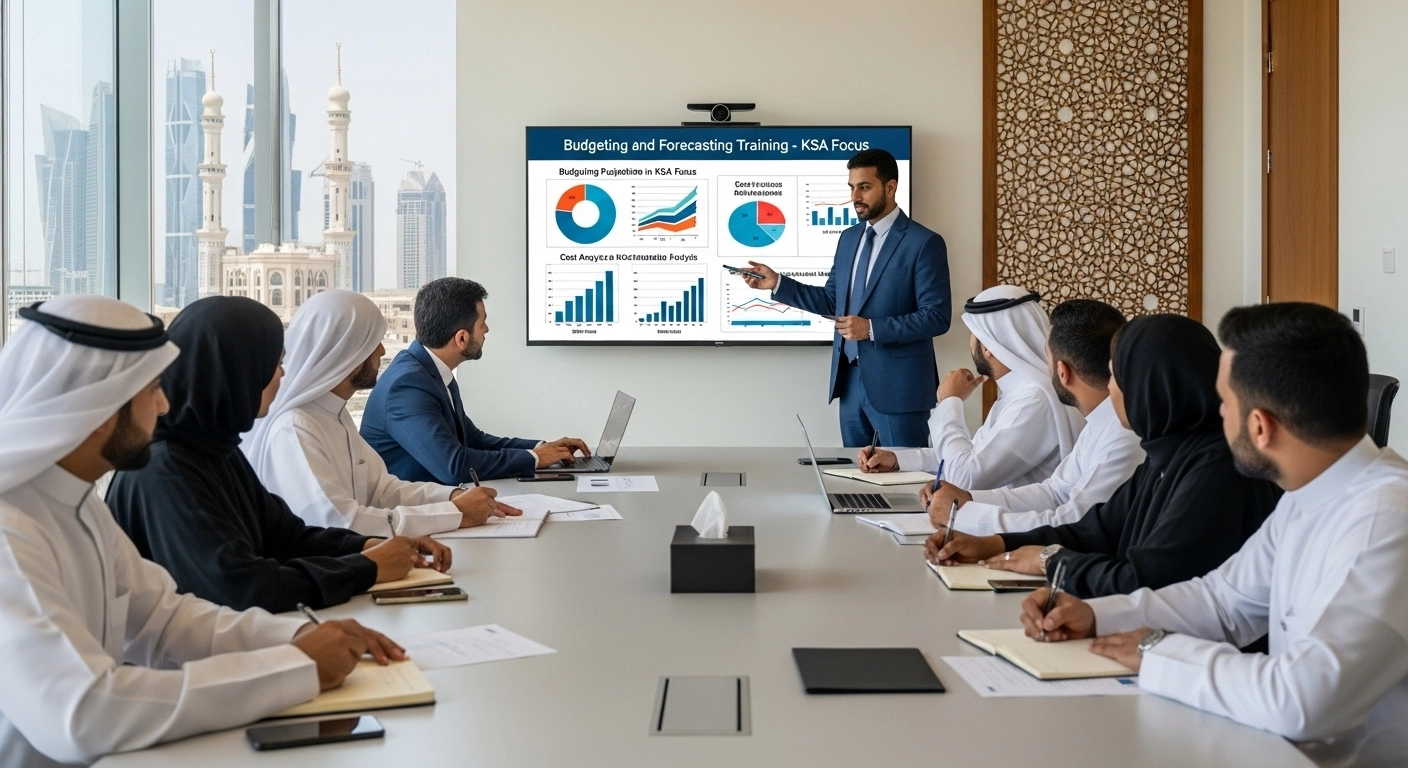
A typical course in KSA is designed to bridge the gap between theory and real-world financial practice. Here’s what most programs cover:
- Core Modules:
- Fundamentals of budgeting and forecasting
- Variance analysis and financial reporting
- Cost allocation and resource optimization
- Scenario planning and predictive analytics
- Tools and Software:
- Microsoft Excel for advanced financial modeling
- Power BI or Tableau for data visualization
- ERP systems like SAP for budget management
By the end of the course, participants usually gain confidence in preparing, analyzing, and presenting financial reports that guide business growth.
6. How to Choose the Right Training Program
Choosing the right program depends on your goals and learning preferences. Here are a few practical tips:
- Define Your Objective: Are you learning for personal skill development or corporate growth?
- Check Accreditation: Choose institutes that offer certified and recognized programs.
- Review Trainers’ Credentials: Experienced instructors make complex concepts easy to grasp.
- Compare Formats: Online training is flexible, but classroom sessions provide hands-on practice.
Taking time to evaluate these factors ensures you get real value from your investment.
7. ROI: Is Budgeting and Forecasting Training Worth the Cost?
Absolutely! While the upfront cost might seem significant, the return on investment (ROI) is much higher in the long run.
Professionals with budgeting and forecasting expertise are in high demand across sectors like finance, construction, retail, and oil & gas in KSA. This training not only increases your job prospects but also boosts your earning potential.
For businesses, having trained employees leads to more accurate budgeting, improved cash flow, and stronger financial performance, benefits that far outweigh the initial training expense.
Conclusion
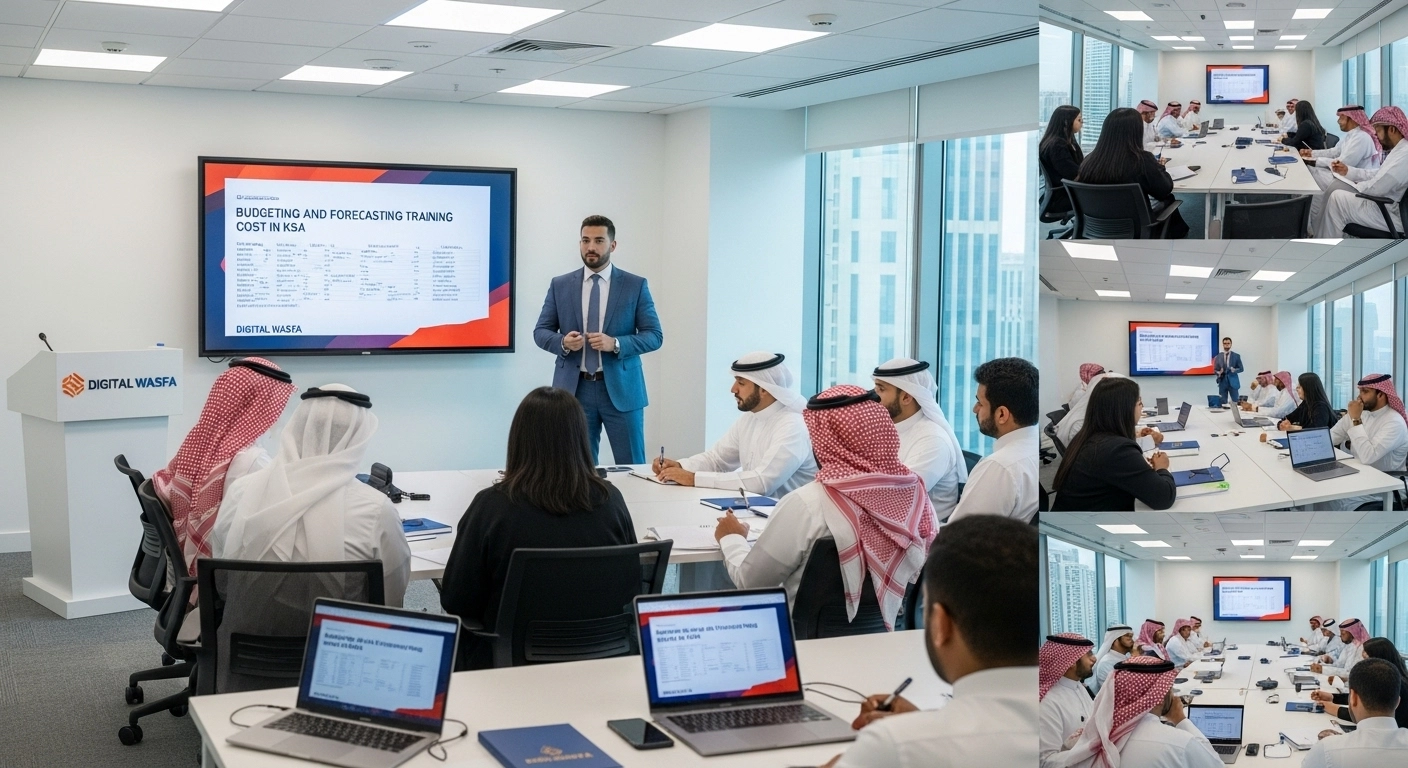
Budgeting and forecasting are essential skills for anyone who wants to succeed in today’s data-driven business world. In Saudi Arabia’s growing economy, learning how to manage budgets and predict financial outcomes gives both professionals and businesses a real advantage.
Whether you are a finance manager, a business owner, or an aspiring accountant, investing in budgeting and forecasting training in KSA can be one of the best decisions for your career.
At Digital Wasfa, we help professionals and companies find the right training opportunities, strengthen their financial planning, and build a path toward sustainable growth. Start exploring trusted institutes, compare training costs, and take your first step toward financial confidence with Digital Wasfa.
FAQ’s
1. How to prepare budgeting and forecasting?
Start by reviewing past financial data, setting clear goals, and estimating future income and expenses. Use forecasting techniques and tools like Excel or Power BI for accurate results. Taking a budgeting and forecasting training course in KSA can help you master these skills.
2. What is financial forecasting and budgeting?
Budgeting is planning how money will be spent, while forecasting predicts future financial outcomes based on data and trends. Both help businesses manage finances and make better decisions.
3. What is the budget in FP&A?
In FP&A, a budget is a financial plan that outlines expected revenues, expenses, and profits over a specific period. It helps track performance and guide company strategy.
4. What is the difference between budget and forecast in FP&A?
A budget is a fixed plan for the year, while a forecast is updated regularly based on actual results. Budgets set the direction, and forecasts keep it accurate as conditions change.
5. What are the 7 steps of forecasting?
The seven steps include defining the goal, collecting data, analyzing trends, choosing a method, creating the forecast, reviewing accuracy, and updating regularly.